
Direct Answer
Yes. Live role-playing gives service advisors a controlled environment to rehearse heated conversations, practice clear explanations of repair work, and build the emotional habits that prevent panic discounting. Done regularly, it increases confidence at the drive counter and protects fixed-ops margins.
Why this training matters to fixed operations
Service drives routinely face frustrated or confused customers — price shock, delays, or repeat problems. When advisors freeze or react defensively, conversations escalate, repairs get discounted, and customer trust erodes. Role-playing converts those unpredictable moments into repeatable skills, so advisors handle objections without sacrificing revenue or reputation.
That matters: according to the National Automobile Dealers Association (NADA), fixed operations account for a very large share of dealership gross profit. Training that preserves labor and parts margins has immediate business impact.
Direct benefits in brief
- Low-risk rehearsal: Advisors can make mistakes and learn without affecting actual customers or shop revenue.
- Emotional control: Repetition helps staff stay calm and empathetic under pressure.
- Clear value delivery: Advisors learn to explain multi-point inspection findings and labor value without resorting to automatic discounts.
- Fewer shop delays: Better intake conversations produce detailed write-ups that speed technician diagnosis and billable hours.
Which scenarios to rehearse (a practical framework)
Structured role-play focuses on predictable conflict points. Use these three scenario categories in weekly sessions:
1. Price shock
Practice breaking down complex estimates and explaining why labor, parts, and diagnostics add up the way they do. Train advisors to use simple, value-focused language rather than technical overload.
2. Delay or parts issues
Role-play proactive update scripts so advisors tell vehicle owners about parts delays or extended diagnostics before the customer calls — reducing surprise and frustration.
3. Repeat complaints
Simulate interactions where a customer returns claiming a prior repair didn’t fix the problem. Rehearse verification steps, warranty explanations, and calm next-action plans.
Why live role-play outperforms scripts and passive training
Reading a script cannot teach tone, body language, or how to adjust under pressure. Live rehearsals produce muscle memory: advisors practice the cadence of calm speech, eye contact, and controlled breathing while a coach gives immediate corrective feedback.
Training methods compared
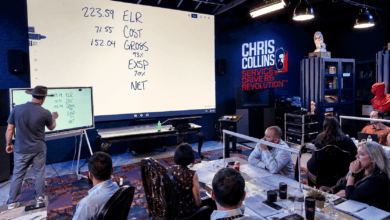
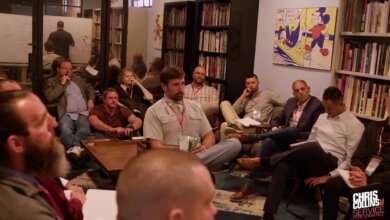
For example roleplay demonstrations and fixed-ops training breakdowns, see the Chris Collins Inc YouTube Channel.
How role-play improves shop productivity
One immediate win is better complaint write-ups. Advisors who can calmly steer a rushed customer toward specific observations reduce unbillable diagnostic time and speed throughput.
Write-up quality: before and after
The U.S. Bureau of Labor Statistics notes increasing specialization in automotive repair — which makes clear, specific intake information more important than ever.
How role-play helps protect labor rates
Uncoached advisors may reflexively give discounts or waive diagnostic fees to avoid confrontation. Role-play eliminates that reflex by rehearsing firm, value-focused responses and splitting labor from parts in explanations.
- Panic discounting: Train advisors to explain the expertise and equipment behind labor charges instead of reducing prices to quiet the customer.
- Separating labor and parts: Teach advisors to explain multi-point inspection results and cost components so quotes feel transparent, not arbitrary.
Weekly practice builds the confidence needed to stand behind pricing without sounding confrontational.
Practical implementation tips
- Run 20–30 minute weekly role-play sessions focused on one scenario type.
- Use a coach or peer to play the upset customer and provide immediate feedback on tone and phrasing.
- Record or take notes on common objections from the drive and replay them in training.
- Convert the best responses into short, flexible frameworks rather than verbatim scripts.
Fixed-ops leaders exploring structured weekly coaching can review SDR Live Academy to see how interactive role-playing modules integrate into daily drive routines. For executive-level guidance, see Signature Coaching Services. Additional management resources and advisor scripts are available on the Chris Collins Inc Blog.
Frequently Asked Questions
How does role-playing help advisors stay calm with angry customers?
By repeatedly exposing advisors to heated scenarios in a controlled environment, role-play builds familiarity with common triggers and trains de-escalation responses. Instead of reacting emotionally, advisors learn to breathe, mirror concerns, and move the conversation to problem-solving language.
How often should service advisors practice role-playing?
Weekly sessions are a strong starting point. Short, regular rehearsals keep communication patterns fresh, let teams address recent drive counter issues, and allow coaches to correct behaviors before they become habits.
Can role-playing help increase customer-pay sales?
Yes. When advisors present inspection findings clearly, justify labor versus parts, and handle price concerns without discounting, customers are more likely to approve necessary repairs. Confidence and clarity increase acceptance rates.
Bottom line
Role-playing converts unpredictable, high-pressure conversations into repeatable skills. For fixed-ops leaders, a disciplined program of short, live rehearsals yields calmer advisors, clearer write-ups, fewer panic discounts, faster shop throughput, and protected labor margins. To see a structured option for integrating this work into daily routines, evaluate the SDR Live Academy.
Related reading on clooudi.com: Can Live Coaching Help Service Advisors Build Better Habits: Key Takeaways; How to Boost Fixed Operations in Dealerships Today.