
Direct Answer
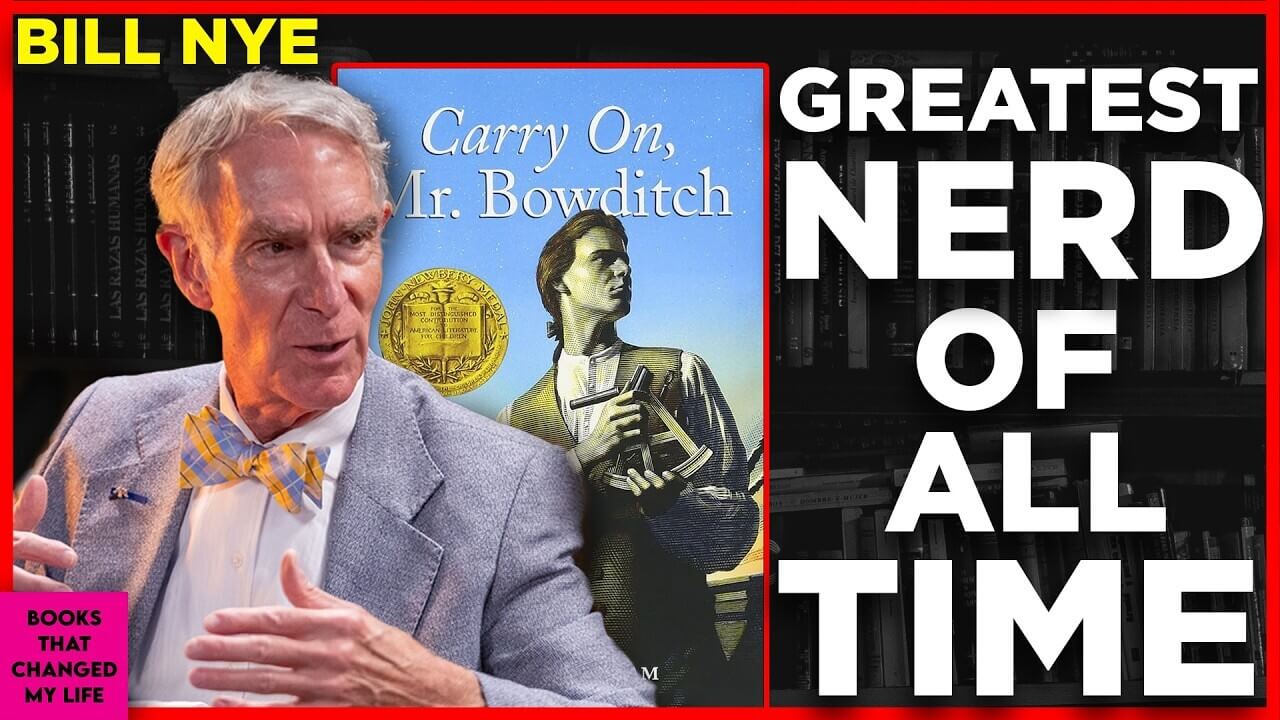
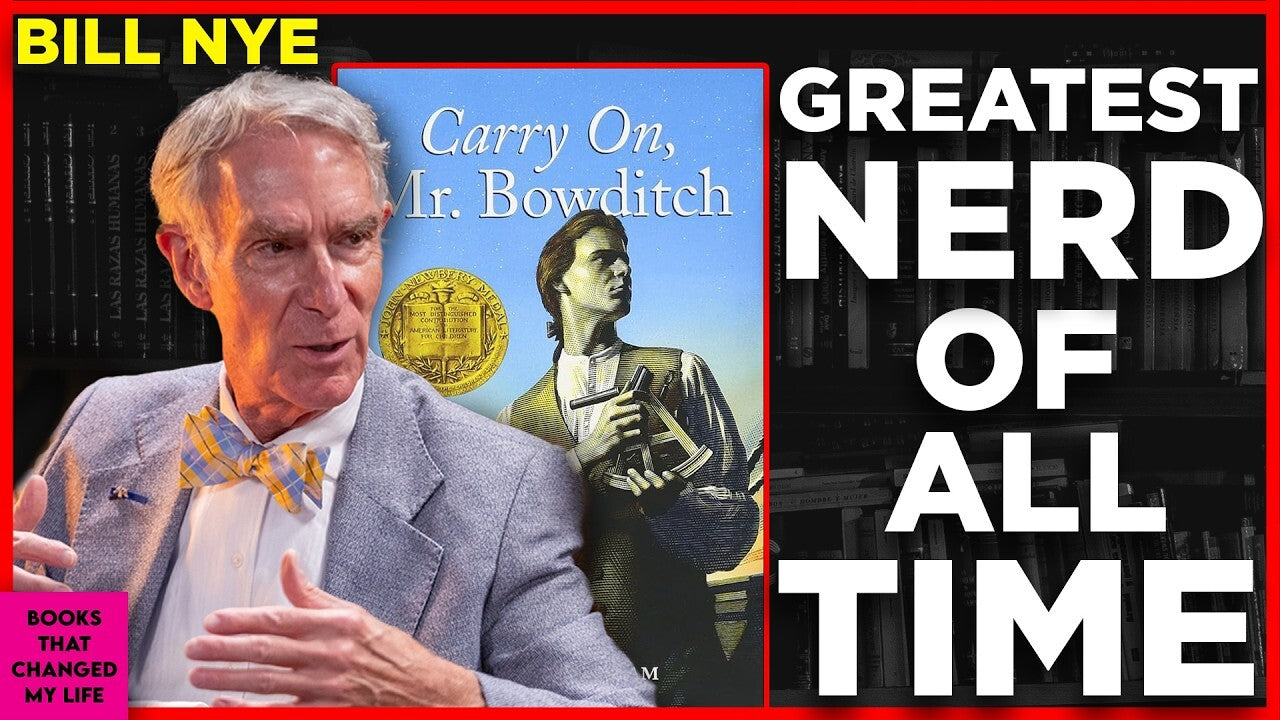
Bill Nye holds Carry On, Mr. Bowditch in high regard because Jean Lee Latham’s account of self-educated navigator Nathaniel Bowditch made mathematics, scientific discovery, wonder, and teaching come vividly alive. Discovering this narrative helped a young Nye view knowledge as a practical, shareable tool capable of directing a person’s life trajectory.
For Clooudi readers, this is a reading-culture story. It shows how a single childhood book can become a private map for the kind of adult someone becomes.
How Childhood Reading Shapes Adult Identity
The books people remember from childhood often become quiet identity markers. For Bill Nye, Carry On, Mr. Bowditch offered a model of curiosity, effort, and useful knowledge.
That makes the article bigger than one celebrity recommendation. It is a reading-culture story about how formative books stay active for decades.
Why Carry On, Mr. Bowditch Stayed With Bill Nye
The novel centers on a determined student who refuses to accept that complex subjects are beyond his reach. Nathaniel Bowditch immerses himself in nautical science, mathematics, and foreign languages because those skills solve tangible, real-world problems.
This central theme mirrors Bill Nye’s public journey. Throughout his career as an educator and advocate, Nye has worked to make scientific principles feel accessible rather than locked away behind academic walls.
📺 Prefer watching over reading? You can stream full, uncut video conversations on the Books That Changed My Life YouTube Channel.
About the Guest
Bill Nye is an American mechanical engineer, science communicator, author, and television personality best known as the creator and host of Bill Nye the Science Guy. A Cornell University engineering graduate and former Boeing professional, Nye has dedicated his life to advancing scientific literacy, STEM outreach, and environmental awareness globally.
About the Book
First published in 1955 and awarded the 1956 Newbery Medal, Jean Lee Latham’s historical novel Carry On, Mr. Bowditch captures the life of Nathaniel Bowditch (1773–1838). Bound to an indentured apprenticeship as a boy, Bowditch independently mastered higher mathematics and navigation, going on to publish The American Practical Navigator—a landmark treatise still relied upon by modern mariners and the U.S. Navy.
Key Takeaways From Bill Nye’s Bowditch Story
Carry On, Mr. Bowditch demonstrated to Bill Nye that meaningful education stems from self-directed effort.
The narrative ties personal curiosity directly to mathematics, nautical science, and practical problem-solving.
Bowditch’s journey humanizes demanding academic subjects that often feel distant or intimidating.
Nye’s engaging teaching style directly reflects the educational values modeled in the story.
Effective learning goes beyond accumulating facts; it requires conveying those concepts clearly to others.
Inspiring literature can shape personal identity by offering young readers a clear model for their future potential.
What the Book Teaches About Learning
Self-education can change a life: Bowditch does not wait for ideal conditions or formal permission to expand his intellect. That proactive spirit forms the core of Carry On, Mr. Bowditch and explains why the story left such a deep impression on Bill Nye.
Knowledge fulfills its purpose when shared: The navigational methods Bowditch mastered were never meant as private achievements. They were practical tools designed to help sailors cross dangerous waters safely—an outward-looking ethos that mirrors Nye’s media career.
Curiosity thrives through active application: In the Bowditch story, curiosity is far more than a passing feeling. It operates as an active, daily habit: ask questions, study data, test theories, explain the results, and repeat the cycle.
Why This Fits Books That Changed My Life
The most impactful features in this series demonstrate how an early reading experience creates ripples that last a lifetime. For Bill Nye, Carry On, Mr. Bowditch provided both the confidence to master hard disciplines and the drive to make those concepts easy for everyone else to understand.
That connection illustrates why the source story matters. It shows how a book discovered in childhood can help define an adult vocation.
Explore More Discussions:
Frequently Asked Questions
What is the plot of Carry On, Mr. Bowditch?
It is an inspiring historical novel detailing the life of Nathaniel Bowditch, a self-taught mathematician whose navigational breakthroughs changed maritime history.
Why was Carry On, Mr. Bowditch so meaningful to Bill Nye?
The book resonated with Bill Nye because it linked scientific wonder, mathematical thinking, self-reliance, and clear communication in a memorable way.
What is the central lesson of Bill Nye’s experience?
The main takeaway is that education becomes transformative when curiosity is put into daily practice, proving that knowledge equips people to solve concrete problems and unlock broader opportunities.
Stream the full episode on Spotify, browse the complete archive on the main website, or find past interviews on your favorite podcast platform.
Listen to the full uncut conversation on Spotify, browse our complete archive on the main website, or find past episodes on the official podcast directory.
Bottom Line
Carry On, Mr. Bowditch influenced Bill Nye by framing scientific exploration as an active human adventure. The connection between literacy, mathematics, courage, and communication continues to inspire his ongoing work to keep the public curious.