
Cross-fandom shipping is when fans imagine relationships, friendships, rivalries, or creative pairings between characters from different fictional worlds. The fun comes from asking how two characters would react to each other, what their worlds have in common, and what new story fans can build from that connection.
Jayne Turner – Staff Writer
Regina George and Rodrick Heffley. Jack Frost and Elsa. Dean Winchester and Sherlock Holmes. Cross-fandom shipping has the same chaotic, creative energy that made old internet fandom feel alive: edits, art, fan fiction, inside jokes, and debates that can pull several communities into one conversation.
Quick Guide to Cross-Fandom Shipping
| Element | What it means | Why fans like it |
|---|---|---|
| Shared traits | Characters have similar powers, goals, aesthetics, or emotional arcs. | The pairing feels believable even if the worlds never meet in canon. |
| Opposite energy | Characters clash in personality, tone, or setting. | The contrast creates drama, comedy, or slow-burn tension. |
| Visual edits | Fans combine clips, photos, audio, and art into one imagined story. | It makes the ship feel real enough to share and discuss. |
| Fan fiction | Writers build the missing scene, crossover, or alternate universe. | It gives fans room to explore what canon never could. |
| Community debate | Fans argue, defend, joke, and build lore around the pairing. | The conversation becomes part of the entertainment. |
What Is Cross-Fandom Shipping?
Cross-fandom shipping means pairing characters from separate fictional universes. Sometimes the imagined pairing is romantic. Sometimes it is about friendship, rivalry, found family, or simply the comedy of two characters meeting when they absolutely should not.
The idea works because fandom is already collaborative. Fans do not just consume stories; they remix them, question them, and build new versions through edits, art, theories, and writing. A cross-fandom ship turns that habit into a shared creative challenge.
Why Cross-Fandom Ships Catch On
A good cross-fandom ship usually has one of two things: a clear connection or a hilarious contrast. Jack Frost and Elsa make sense because they share winter imagery, isolation, and magical ice powers. Regina George and Rodrick Heffley work differently because the mismatch is part of the joke.
Fans also love the feeling of discovery. Someone posts one edit, one drawing, or one joke, and suddenly other people can see the story too. That is why cross-fandom shipping often spreads fastest on TikTok, Tumblr-style fan spaces, X, Instagram, and fandom wikis.
Jack Frost and Elsa: The Classic Winter Ship
When Rise of the Guardians arrived in 2012 and Frozen followed in 2013, fans quickly noticed the visual and emotional overlap between Jack Frost and Elsa. Both characters are tied to ice and snow. Both have a lonely streak. Both are often imagined as characters who could understand each other’s fear, freedom, and power.
The pairing gives artists a strong visual world to play with: snowstorms, blue light, ice castles, winter skies, and two characters who look like they belong in the same scene. Even when a ship is not canon, strong visual language can make it feel instantly familiar.
For readers who like the softer, romantic side of fandom, Clooudi also has a guide to romantic dates inspired by books.
Barbenheimer Shows How Fandoms Remix Culture
Barbenheimer was not a traditional romantic ship, but it showed how quickly audiences can merge two separate worlds. The 2023 cultural moment around Barbie and Oppenheimer started because the movies shared a release date, then turned into memes, outfits, double features, and creative contrasts. BBC Culture covered how the Barbenheimer phenomenon became bigger than a normal release-weekend joke.
That same logic drives many cross-fandom ships. Fans see two things that should not naturally sit together, then build a shared language around the contrast. Sometimes the joke becomes the point.
Regina George and Rodrick Heffley: Mismatch as the Hook
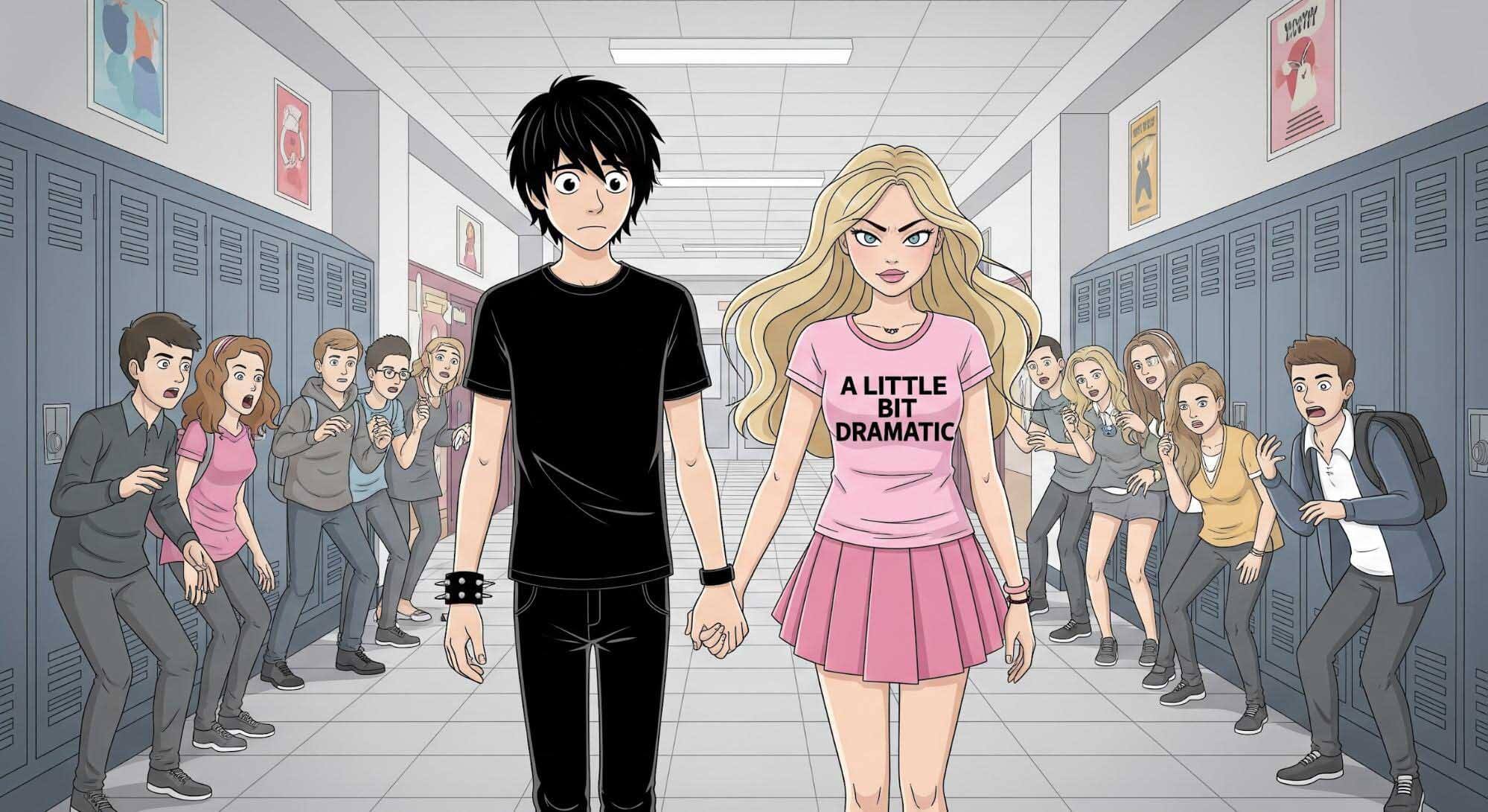
Regina George from Mean Girls and Rodrick Heffley from Diary of a Wimpy Kid became a recent example of mismatch shipping. Regina is polished, status-aware, and socially strategic. Rodrick is messy, rebellious, and proudly unserious. That contrast gives fans plenty to work with.
Part of the appeal is early-2000s nostalgia. Fans can imagine school hallways, band practice, secret crush edits, and the kind of chaotic teen comedy energy that feels familiar even if the pairing is completely invented. The ship works because the internet understands the joke immediately.
Fan Edits Make the Ship Feel Real
Cross-fandom ships spread faster when fans can make them visible. Video edits, fancams, quote overlays, playlists, and mood boards help turn a loose idea into something other people can react to.
That is why a pairing can become popular even when some fans have not watched both source materials. The edit teaches the story: who the characters are, what the imagined tension is, and why other fans are having fun with it.
Where Cross-Fandom Shipping Meets Book Culture
Book communities understand this kind of remixing well. Readers constantly compare tropes, imagine alternate endings, and connect characters across books, shows, and movies. That is also why BookTok can turn a small discussion into a much bigger fandom moment.
If you want to explore the reading side of fandom, start with Clooudi’s guides to how BookTok transforms reading culture and the celebrity book club effect. For a related debate, Clooudi also looks at whether pop culture references should be in books.
Keep Cross-Fandom Shipping Creative and Respectful
Cross-fandom shipping is supposed to be playful, but good fandom spaces still need boundaries. Respect creators, actors, other fans, and the difference between fictional interpretation and real people. Keep discussions age-appropriate, label fan work clearly, and avoid treating headcanons as something everyone else has to accept.
The healthiest fandom conversations leave room for disagreement without turning every ship into a fight. The point is imagination, not ownership.
Why Fans Keep Coming Back to Crossover Pairings
Cross-fandom shipping keeps returning because it gives fans a new way to participate. Instead of waiting for canon to provide a perfect story, fans can build one together through jokes, edits, theories, art, and writing.
That is why the trend feels so alive. It turns separate fandoms into one temporary playground, and sometimes that is enough to make an impossible pairing feel surprisingly convincing.
For more pop-culture reading, Clooudi also has a guide to Guillermo del Toro’s Frankenstein adaptation and a playful book-matching piece on finding your next read based on a Halloween costume.
Author: Jayne Turner is a freelance writer from Orange, California. She has a bachelor’s degree in Neuroscience with an emphasis on language and cognition. She has ten years of musical theatre experience and a lifelong love of reading. Utterly excited by the brain, she brings a fresh Gen Z perspective to the topics that intrigue us most.