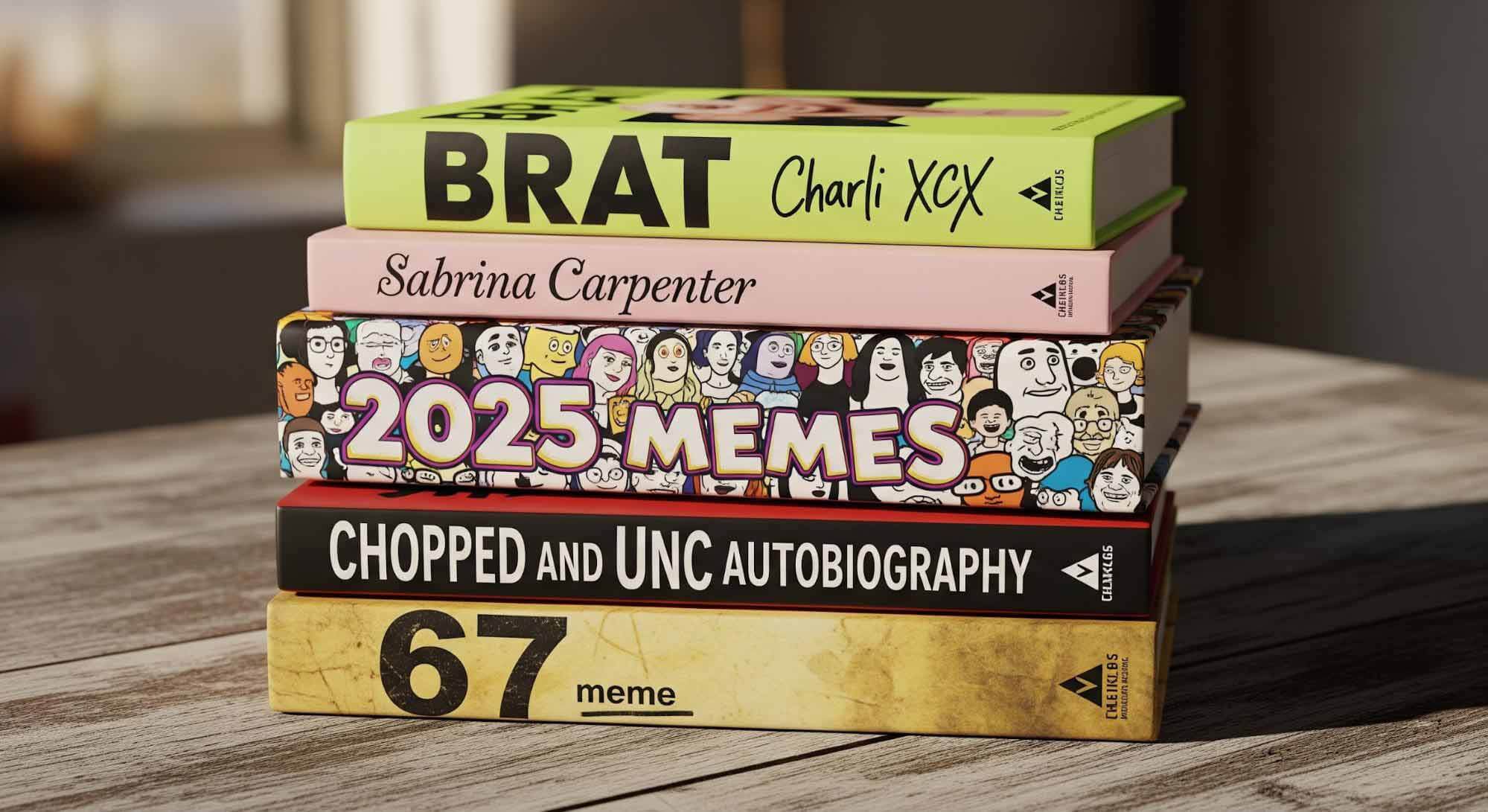

Pop culture references can belong in books when they reveal character, anchor a time period, or make a scene feel more lived-in. They become a problem when they are used as shortcuts, trend-chasing jokes, or references so narrow that future readers feel locked out of the story.
By Jayne Turner – Staff Writer
Picture this: you are deep in a fantasy novel, completely lost in a kingdom of old roads, candlelit rooms, and impossible quests. Then a character suddenly makes a TikTok joke. The spell breaks. You are not in the story anymore; you are back in the real world, wondering why a medieval kingdom knows about your phone.
That is why the debate around pop culture references in books is so interesting. A reference can make a character sound current and specific, but it can also date the book faster than the author expected. The real question is not whether authors should use pop culture at all. It is whether the reference is doing actual story work.
Quick Guide: Should Pop Culture References Be in Books?
| Reference type | When it helps | When it hurts |
|---|---|---|
| Timeless cultural touchstone | It gives readers quick context across generations | It feels forced if the character would never mention it |
| Current trend or meme | It time-stamps a contemporary story on purpose | It can feel stale or confusing after the trend passes |
| Music, movie, or celebrity reference | It reveals taste, class, age, or social circle | It can distract if the scene depends on reader recognition |
| Internet slang | It can make dialogue feel young and immediate | It dates quickly and may not travel across audiences |
| Invented in-world culture | It strengthens fantasy, sci-fi, or alternate settings | It needs enough context to feel natural |
Why Pop Culture References Can Help a Story
Used well, a reference can work like a shortcut to character. If someone mentions a favorite band, quotes a comfort movie, or reacts to a viral book trend, the reader learns something about how that character sees the world. The detail can show age, humor, nostalgia, insecurity, taste, or social belonging without a long explanation.
This is one reason modern reading culture has become so tied to online discovery. A single recommendation can move through feeds, friend groups, and fandom circles quickly, which is part of why BookTok has changed how many readers find books. When a contemporary novel reflects that kind of cultural ecosystem, it can feel honest rather than gimmicky.
Why Trendy References Can Pull Readers Out
The danger is that trends age differently from themes. A story about friendship, ambition, grief, first love, or identity can travel across decades. A joke built around one app trend may stop working within months. Language also keeps shifting quickly, which makes very current slang risky if the book needs to feel fresh for a long time.
The problem is not that future readers cannot search for a reference. They can. The problem is that stopping to decode a joke can interrupt the emotional rhythm of a scene. If the reference is not important enough to justify that interruption, it may be weakening the page.
The Genre Test Matters
Some genres can carry pop culture references more naturally than others. A contemporary romance, campus novel, celebrity satire, memoir, or social-media-driven mystery may need recognizable cultural details to feel grounded. In those stories, avoiding every reference can make the world feel oddly empty.
Fantasy, historical fiction, and far-future sci-fi usually need a lighter touch. A modern reference in those genres can feel like a crack in the wall unless the book is intentionally playing with anachronism. The same logic appears in fandom culture too: cross-fandom shipping works because fans understand the worlds being combined, but the mashup still needs internal logic.
Character Voice Comes Before the Reference
A reference should sound like something the character would actually say. If a quiet, old-fashioned character suddenly starts speaking in current internet slang, readers will notice. If a chronically online teen avoids every cultural reference, that can feel false too. The reference has to belong to the person, not just to the author’s timeline.
This is where restraint matters. A character does not need to mention every show, app, artist, and meme they know. One sharp detail can do more work than a pile of name-drops. The best references feel selected, not sprayed across the page.
Timeless Touchstones Age Better Than Viral Jokes
Some references have already survived long enough to become shared cultural language. Shakespeare, fairy tales, classic films, famous songs, and long-running franchises can be easier for a broad audience to understand. They still need context, but they are less likely to expire overnight.
That does not mean every book should chase only the safest reference possible. A story can be timely and still be worth reading later. The trick is to keep the emotional point clear even if the reader misses the exact name being mentioned.
Specific References Can Build a Time Capsule
Sometimes dating the story is the whole point. A book set in a very specific cultural moment may benefit from references that mark the year, the mood, and the social pressure of the time. A novel about online fame, pandemic-era friendships, or teen reading trends would feel strange if it pretended the surrounding culture did not exist.
That is why the same reference can be brilliant in one book and distracting in another. If the story is about how culture shapes people, pop culture may be part of the setting. If the story is meant to feel mythic and timeless, too many contemporary details can shrink the world.
How Authors Can Use Pop Culture Without Overdoing It
A practical test helps: remove the reference and see what happens. If the scene loses character, mood, setting, or conflict, the reference may be earning its place. If nothing changes except the page feels less trendy, the reference may be decoration.
Writers can also choose broader categories when a specific name is not needed. Instead of naming a trend that may be forgotten by next year, a scene can describe the behavior: doom-scrolling, chasing a viral sound, copying a fan theory, or trying to escape online noise. For readers thinking about that digital overload from the other side, Clooudi’s guide on how to beat brainrot with books connects neatly to the same concern.
For authors who want a more craft-focused checklist, this Institute for Writers guide on weaving pop culture into writing gives a useful framing: audience, longevity, quantity, and purpose should all matter before a reference stays in the manuscript.
What Readers Usually Want From the Debate
Readers do not all want the same thing. Some love books that feel plugged into the exact moment they are living through. Others read to get away from feeds, algorithms, and constant cultural noise. Both reactions are fair, which is why the argument is not easy to settle.
Format and reading mood matter too. Someone listening to an audiobook on a commute may react differently from someone reading a hardcover slowly at night. The same reader may even want different levels of cultural texture depending on the format, a tension that also shows up in the broader debate over whether audiobooks, Kindles, and e-readers feel the same as books.
Pop Culture Can Connect Books to Wider Reading Communities
Pop culture references do not live only inside the book. They can also shape how readers talk about a book afterward. A clever reference may become a quote people share, a scene fans debate, or a reason a title fits into a bigger reading trend. That social layer is part of why celebrity book clubs can influence which books get attention far beyond traditional reviews.
Still, discoverability is not the same as depth. A reference may help a book feel shareable, but it cannot replace strong characters, tension, voice, or theme. Readers may arrive because a book feels current, but they stay because the story gives them something richer than recognition.
The Verdict: Use Pop Culture With Purpose
So, should pop culture references be in books? Yes, when they are intentional. No, when they are filler. The strongest references reveal something important, deepen the setting, or capture a cultural moment the story genuinely needs.
The weakest references are there only to prove the book is current. Those are the ones that age badly, confuse readers, or make a scene feel like it is trying too hard. A good book can handle a few dated details. What it cannot survive is replacing emotional truth with a pile of references.
Books should be accessible across ages and eras, but they should also be honest about the worlds their characters inhabit. The sweet spot is balance: timeless enough to keep its emotional power, specific enough to feel alive.
That is why the best answer is not a blanket yes or no. Pop culture belongs in books when it serves the story, respects the reader, and still leaves room for the characters to matter more than the reference.
—
Author: Jayne Turner is a freelance writer from Orange, California. She has a bachelor’s degree in Neuroscience with an emphasis on language and cognition. She has ten years of musical theatre experience and a lifelong love of reading. Utterly excited by the brain, she brings a fresh Gen Z perspective to the topics that intrigue us most.